
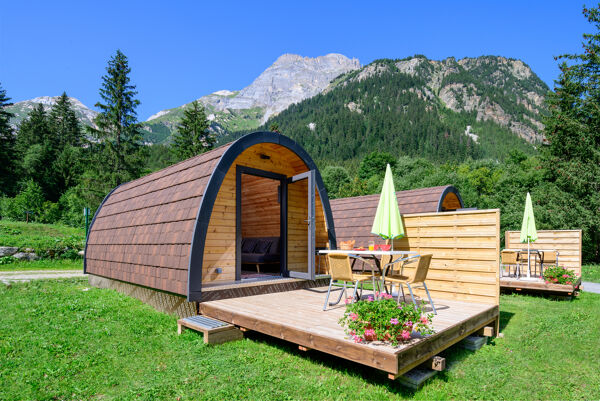
The benefits of eco-lodges for sustainable tourism
Sustainable tourism has become a priority for many travelers and accommodation owners.
At the heart of this trend are eco-lodges, accommodations that combine comfort, authenticity, and respect for the environment.
In this article, we will explore the many benefits of eco-lodges, for both owners and visitors, and how they contribute to more sustainable and responsible tourism.
An Eco-Friendly Accommodation
Reducing the Carbon Footprint
Eco-lodges are designed to minimize their environmental impact. They use eco-friendly building materials such as recycled wood, natural stone, or bamboo, and favor construction techniques that reduce the carbon footprint. Green roofs and natural insulation are often used to improve energy efficiency. These practices not only help reduce energy consumption but also blend harmoniously into the natural landscape without disfiguring it.
Use of Renewable Energies
Another advantage of eco-lodges is their use of renewable energies. Many eco-lodges are equipped with solar panels, wind turbines, or rainwater harvesting systems. These installations help reduce dependence on fossil fuels and promote the use of renewable and sustainable resources. Additionally, some eco-lodges go even further by installing geothermal heating and cooling systems, which utilize the stable temperature of the ground to heat or cool buildings efficiently and ecologically.
Sustainable Water Management
Sustainable water management is another key feature of eco-lodges. Most eco-lodges implement rainwater harvesting systems to reuse water in gardens or for sanitary purposes. Some also use dry toilets to save water and reduce pollution. Natural filtration systems, such as constructed wetlands, allow on-site wastewater treatment without the use of harmful chemicals, thus preserving local ecosystems.
Waste Reduction
Eco-lodges also strive to minimize waste production. They encourage recycling and composting of organic waste. Single-use products are avoided as much as possible, and sustainable alternatives are offered, such as reusable water bottles, fabric bags, and bulk toiletries. By reducing waste, eco-lodges help decrease pollution and protect the environment.
Comfort and Well-being of Visitors
Unique and Authentic Experience
Staying in an eco-lodge offers a unique and authentic experience, often in the heart of nature. Unlike traditional hotels, eco-lodges are usually located in preserved areas and offer a total immersion in the local environment. This allows visitors to reconnect with nature and experience moments of tranquility and relaxation. Eco-lodges are often surrounded by beautiful landscapes, forests, mountains, or beaches, offering breathtaking views and a serene atmosphere.
Outdoor Activities
In addition to their privileged location, eco-lodges often offer a range of outdoor activities. Visitors can participate in guided hikes, canoe trips, bird watching, or photo safaris. These activities allow for the discovery of local wildlife and flora while respecting the environment. Some eco-lodges also organize ecology-awareness workshops, where visitors can learn to recognize indigenous plants, build birdhouses, or create organic vegetable gardens.
Modern Comfort
While being environmentally friendly, eco-lodges do not forget about the comfort of their visitors. They are often equipped with all the modern amenities necessary, such as comfortable beds, private bathrooms, and equipped kitchens. The owners ensure that the stay is pleasant while remaining in harmony with nature. Eco-lodges may also offer additional services, such as massages, yoga classes, or gastronomic meals prepared with local and organic products, for an even more memorable stay.
Decoration and Atmosphere
The ambiance and decoration of eco-lodges also play an important role in the well-being of visitors. The interiors are often decorated with natural materials and handmade objects, creating a warm and welcoming atmosphere. Eco-lodges favor a minimalist and clean approach, promoting serenity and relaxation. Large windows allow the enjoyment of natural light and the contemplation of the surrounding landscapes, reinforcing the sense of connection with nature.
Economic and Social Benefits for Local Communities
Support for the Local Economy
Eco-lodges also contribute to the local economy. By employing local artisans for construction and maintenance, sourcing local products for meals, and offering activities in partnership with local guides, they directly support the region's economy. This creates jobs and stimulates the local economy, while offering visitors an authentic experience. Eco-lodges also promote fair trade by working with local producers, ensuring fair compensation and supporting sustainable economic development of communities.
Promotion of Local Traditions
In addition to supporting the local economy, eco-lodges play an important role in promoting and preserving local traditions. They often collaborate with local artisans, artists, and farmers to offer unique cultural experiences to visitors. For example, visitors can participate in pottery workshops, weaving, or traditional cooking classes, thus discovering local skills and traditions. These activities help to valorize cultural heritage and raise awareness among visitors about the importance of conserving traditions.
Awareness and Education
Eco-lodges also play an important role in raising awareness and educating visitors about environmental issues. Many eco-lodges offer workshops, guided tours, and educational activities to inform visitors about biodiversity, renewable energies, and sustainable practices. This awareness contributes to a change in behavior among visitors, who become more conscious and respectful of the environment. By learning to reduce their ecological footprint and adopt sustainable practices, visitors can apply this knowledge in their daily lives and become ambassadors of sustainable tourism.
Positive Impact on Biodiversity
Preservation of Natural Habitats
Eco-lodges are often located in protected natural areas or biodiversity reserves. By choosing to stay in an eco-lodge, visitors indirectly contribute to the preservation of these natural habitats. Eco-lodge owners often engage in conservation projects, such as reforestation, protection of endangered species, or restoration of degraded ecosystems. These efforts help maintain biodiversity and preserve habitats for future generations.
Responsible and Respectful Tourism
The concept of responsible tourism is at the heart of eco-lodges. Visitors are encouraged to adopt environmentally respectful behaviors and to minimize their impact on nature. For example, eco-lodges can provide information on rules to follow to avoid disturbing local wildlife, such as keeping a respectful distance, not feeding wild animals, and avoiding picking plants. By raising awareness among visitors about the importance of respecting nature, eco-lodges contribute to the protection of fragile ecosystems.
In conclusion, eco-lodges represent an ideal solution for those seeking to travel in a more responsible and sustainable manner. They offer ecological accommodation that reduces the carbon footprint, uses renewable energies, and supports local economies. At the same time, they ensure modern comfort and an authentic experience for visitors. By choosing to stay in an eco-lodge, travelers can enjoy memorable vacations while contributing to the protection of our planet. Eco-lodges are not just places to stay, but are active in promoting sustainable tourism and environmental preservation.