
How to maintain your unusual wooden accommodation?
Nordic House's unique wooden accommodations offer unmatched sturdiness and durability, but require regular maintenance to preserve their appearance.
In this article, we will provide you with detailed expert advice on maintenance, protection, and treatment of your structures.
Wood will have no more secrets for you.
Preparation and Cleaning of Wood
1. Environmental Conditions
Wood is a living material that reacts to environmental conditions such as sun, rain, and cold. It's normal for wood to work, which can cause cracks or warping.
These phenomena do not affect the solidity of the structure, but it is important to monitor and treat them. In summer, the effect of the sun on wood tends to dry it out, losing more volume as a result.
Conversely, in winter during periods of heavy rain, wood swells, increases in volume and can gain a few millimeters in thickness.
2. Cleaning the Wood
Regular cleaning is crucial in order to properly prepare the exterior surface before sanding and to maintain the beautiful appearance of the wood.
Here are some steps to follow:
Start by removing all debris, leaves, and dirt accumulated on the wood surface using a soft-bristle broom or brush to avoid damaging the wood.
Then, rinse the surface with clean water to remove dust particles, using a hose with an adjustable pressure nozzle.
Next, apply a wood cleaner specially designed for outdoor surfaces, following the manufacturer's instructions for dosage and application time.
Use a hard-bristle brush to gently scrub the surface and remove stubborn stains.
Rinse thoroughly with clean water to remove any cleaner residue and ensure the wood is completely clean before moving on to the next step. We recommend letting the wood dry completely, which can take several hours, or even an entire day, depending on the weather conditions.
Well-dried wood is crucial for effective and uniform sanding.
By following these steps, you're perfectly preparing the exterior surface of your unique wood accommodation for further maintenance, thus ensuring an optimal and long-lasting result.
Protection and Product Application
1. Choosing the Product: Advantages / Disadvantages
It's important to choose the right product to protect your wood. There are different options, but the most well-known are the saturator, varnish, and oil.
Depending on your expectations and what you are looking for, here are the characteristics as well as the advantages and disadvantages for each of the products, to help you in this choice:
The saturator is a wood protection product that penetrates deeply into the fibers, offering nourishing and waterproofing protection, composed of alkyd resins.
Advantages of the saturator include that it penetrates the wood fibers, nourishes and makes it water-repellent. It preserves the natural appearance of the wood with a matte finish. Easy to maintain, it simply requires light sanding of the wood to open the bark so the layer of product can penetrate.
As disadvantages, the saturator requires frequent application, typically every year or two.
The varnish forms a protective film on the surface without penetrating deeply into the wood fibers. It is composed of acrylic or polyurethane resins.
As advantages, the varnish offers durable protection against UV rays and moisture. The product is available in several finishes (matte, glossy, satin), and does not require much maintenance, typically every 4 to 7 years.
As disadvantages, the varnish can alter the natural appearance of the wood with a film-forming finish. At the end of its life, the product can peel, requiring a complete stripping before reapplication, which can be laborious.
The oil penetrates deeply into the wood fibers.
Among its advantages, the oil offers excellent protection against moisture and UV rays, thereby preventing the wood from warping and discoloration. It is also easy to maintain and does not require sanding. It preserves the natural appearance and feel of the wood, which is ideal for those who appreciate the aesthetic qualities of the material.
However, on the side of disadvantages, oil also requires frequent application, generally every 1 to 2 years, and the formed film can remain slightly sticky, promoting dust accumulation.
3. The Application
To ensure optimal and durable protection of your unique wooden accommodations, it is essential to properly apply the protection products. Here's how to proceed for each type of product:
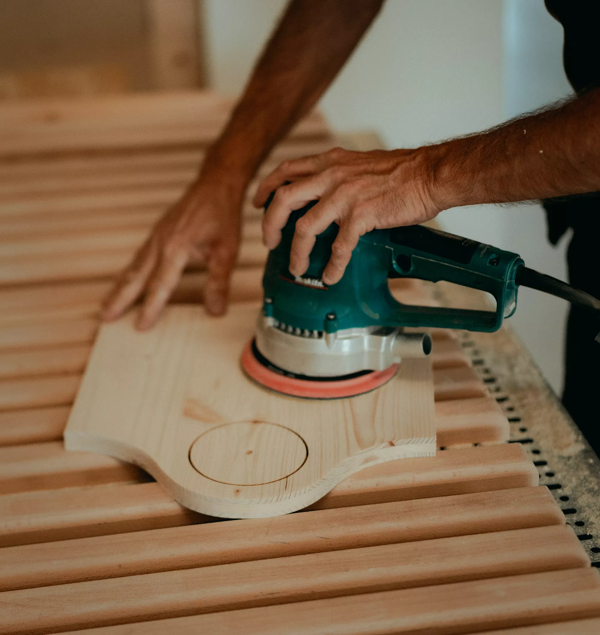
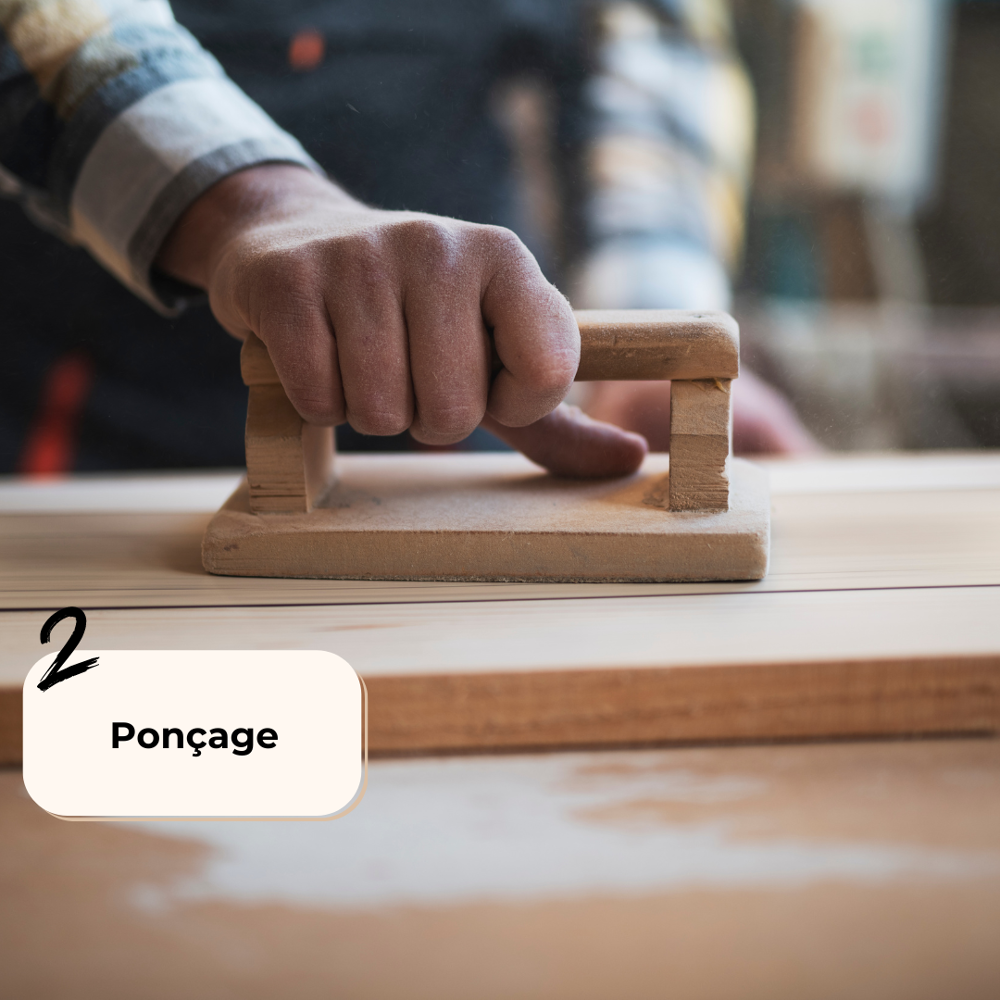
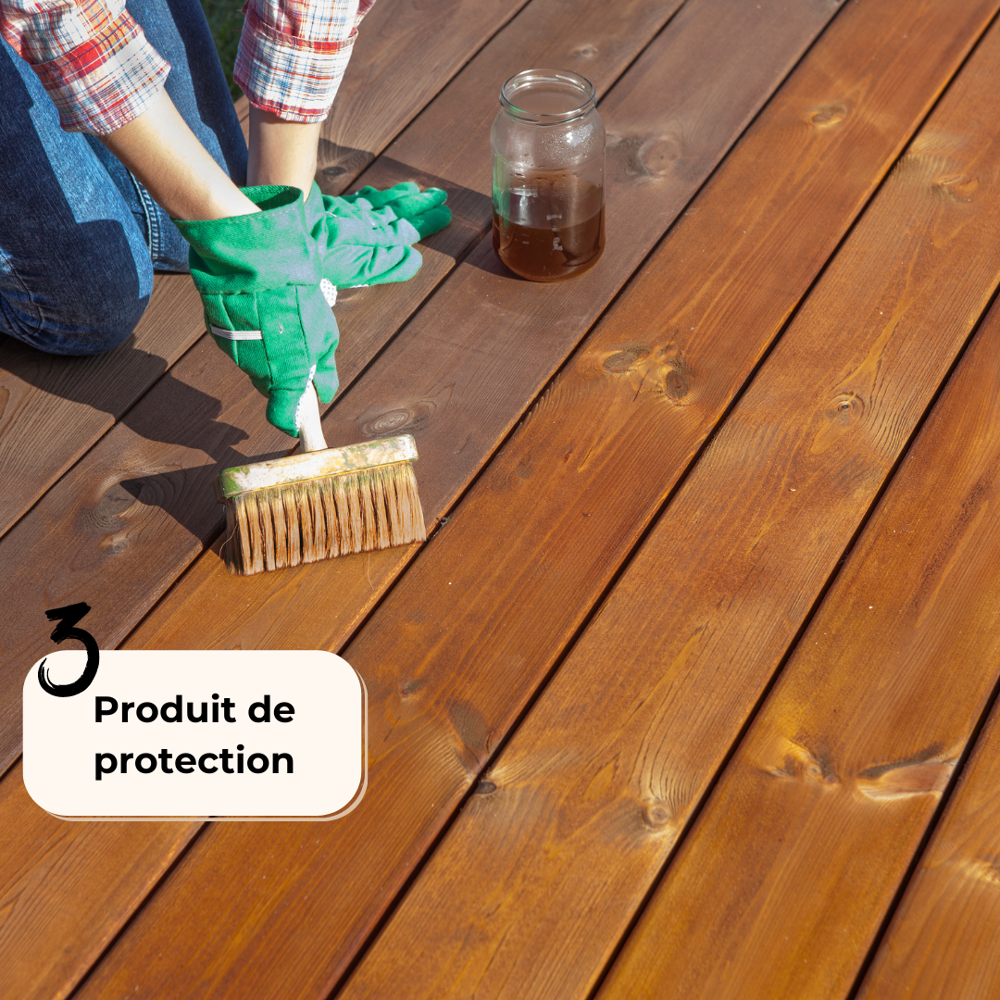
Application of the saturator: To apply the saturator, start by cleaning and lightly sanding the wood surface to remove any dirt and old treatment layers. Use a brush, flat paintbrush, roller, or spray gun to apply a uniform layer in the direction of the wood fibers.
Let dry for about 24 hours, then lightly sand with fine-grit sandpaper to improve adherence. Apply a second coat if necessary.
Application of the varnish: Before applying the varnish, sand the wood to remove old treatment layers and degrease exotic woods with acetone if necessary.
Dust the surface thoroughly to ensure optimal application. Apply the varnish in a minimum of two coats, using a brush or roller, and let dry between each coat according to the manufacturer's recommendations.
Application of the oil:
To apply the oil, make sure the wood is clean, dry, and healthy. Lightly sand the surface to remove old treatment layers and improve adherence.
Apply the oil with a brush, roller, or cloth, following the direction of the wood fibers. Let dry between each coat and apply a second coat for optimal protection.

Maintenance and Damage Prevention
1. Maintenance Frequency
To maintain the appearance of your wood accommodations looking brand new, it is recommended to perform maintenance about once to twice a year, or every three depending on the products you use.
Here are the ideal times for maintenance:
After summer: The wood has been exposed to the sun and heat, so it is important to nourish and protect it before winter.
During winter: Take advantage of the quieter periods to perform in-depth maintenance.
Before the season (April-May): After the winter period, it is important to perform maintenance because the wood swells due to the bad weather. Prepare it for the summer months by applying a new layer of protection.
2. Wood Floor Maintenance
Maintaining wood floors is essential to preserve their shine and durability.
Here are some practical tips to keep your floors in perfect condition:
It is recommended not to use solvents or abrasive pads, as these products can damage the flooring. Prefer mild cleaning products and ensure to respect the dosage of maintenance products, according to the manufacturer's recommendations to avoid any damage to the wood.
After using an alkaline detergent, rinse with clean water, this helps to remove detergent residues and protect the wood.
We advise you to use different tools and cleaning methods depending on the treated surface.
For dust and dirt removal: a dry sweep or vacuum is recommended. Regularly remove dust and dirt with a soft broom or a vacuum equipped with a suitable brush.
For surface cleaning a Wet mopping is preferable: Use one bucket for soapy water and another for clear water rinsing to avoid leaving detergent residues.
And finally, for construction site type stains; glue, paint, tar etc. Use white spirit on a white cloth to remove stubborn stains, then rinse. Avoid abrasive pads to not damage the surface.
3. Damage Prevention
Cracks and warping are common phenomena in wooden structures.
Here is how to effectively treat them:
Regular inspection: Regularly check for cracks and warping. Treat them quickly to prevent worsening.
Crack repair: Use wood filler to fill the cracks. Apply the filler with a spatula and let it dry before sanding and repainting.
Warping treatment: If the wood is warped, sand the surface to smooth it. Then apply a protective product to prevent the problem from recurring.
Conclusion
By following these tips, you can ensure the longevity of your unique wooden accommodations and fully enjoy their natural charm. Whether it's through regular cleaning, the application of protective products like saturator, cladding oil, or repairing cracks and warps, each step contributes to keeping your unique accommodations in perfect condition.
Remember that prevention is key: regular maintenance, done at the right times of the year, helps prevent damage and maintain the aesthetic appearance of the wood.